Latest Publications

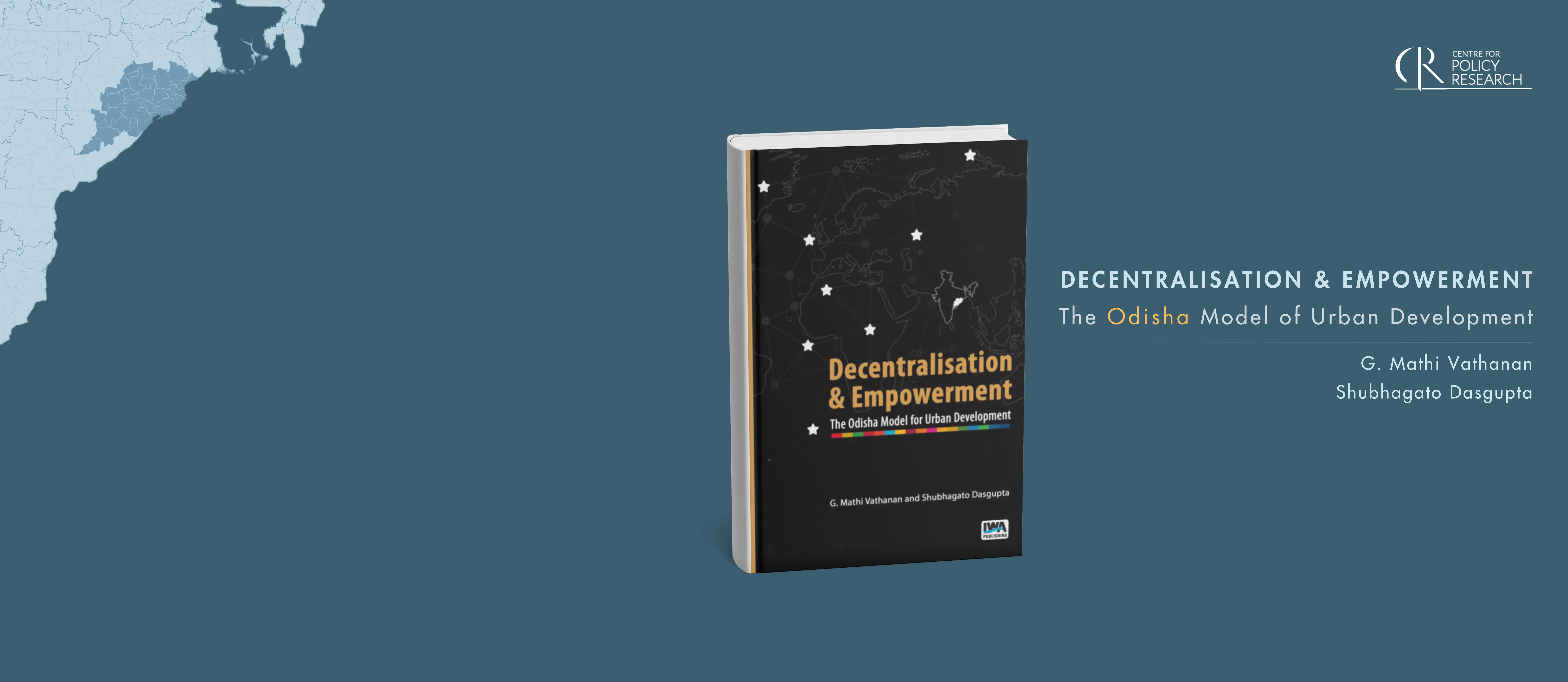
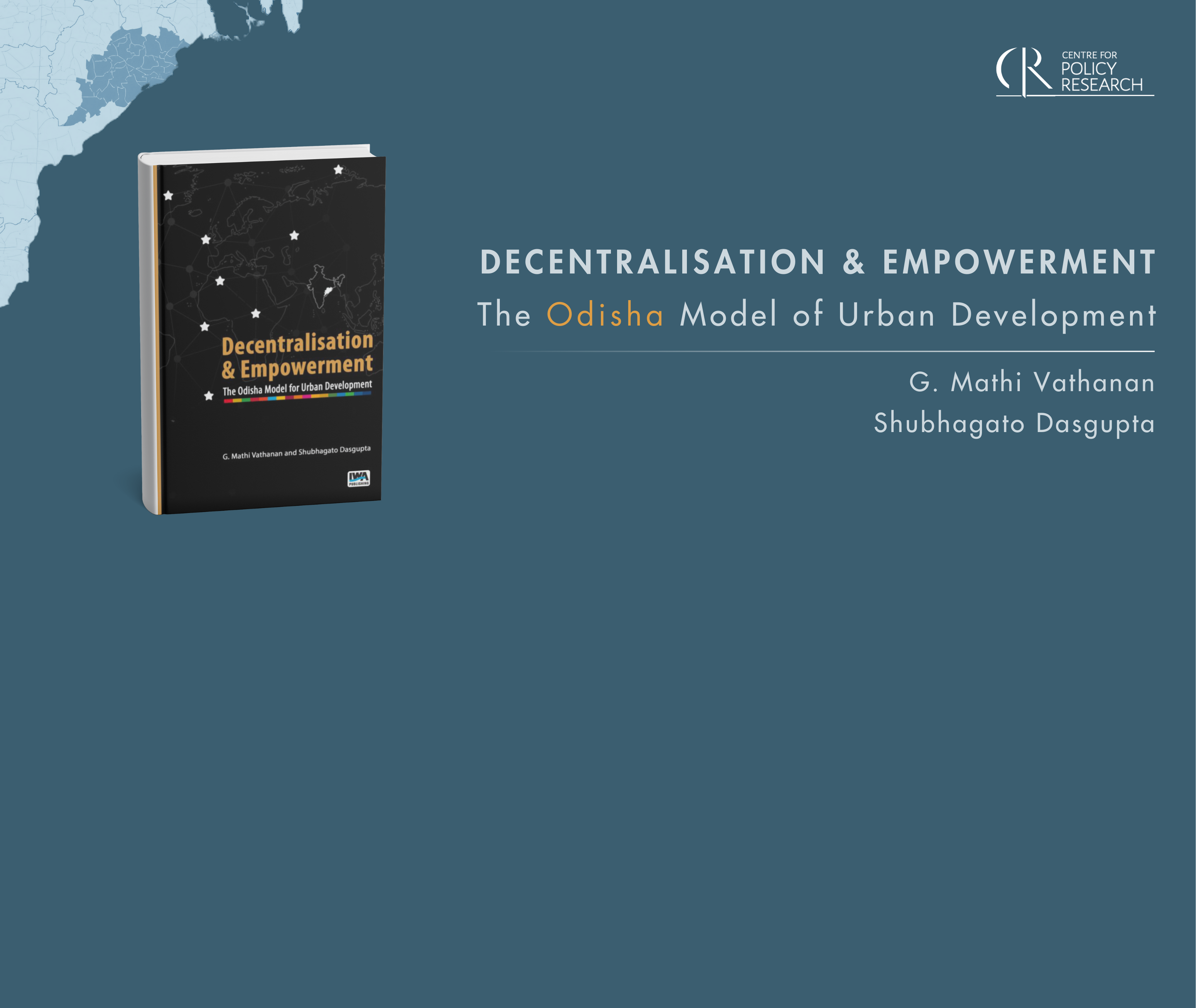
Over the past three decades, decentralization has been seen as the means for allowing local governments to become more accountable, and for encouraging the deepening of democracy and the building of village communities. By drawing on original village-level case studies of six villages in three different Indian states, this book presents a systematic analysis of the impact of decentralization on the delivery of social services at the local level within India.

This article traces the evolution of international environmental law and dialogue in the four decades from Stockholm, 1972, to Rio+20, 2012, with a focus on the changing dynamics of the discourse between developed and developing countries, and the corresponding interpretational shifts in the application of differential treatment in international environmental law—climate change law in particular.

Sustainable development has always been a compromise formulation that papered over real conflict between environment and development. Twenty years after Rio, the geopolitical climate is far less conducive to easy compromises. Given an embattled North and a rising South, particularly Asia, the language of zero sum conflict rather than positive sum cooperation is likely to prevail. Green growth offers one way to paper over these conflicts yet again, but it would be prudent to resist this temptation.

The lesson for India after Durban is that it needs to formulate an approach that combines attention to industrialised countries’ historical responsibility for the problem with an embrace of its own responsibility to explore low carbon development trajectories. This is both ethically defensible and strategically wise. Ironically, India’s own domestic national approach of actively exploring “co­benefits” – policies that promote development while also yielding climate gains – suggests that it does take climate science seriously and has embraced responsibility as duty.