- Home
- About Us
- Research
- Research Areas
- Agriculture
- Air Pollution
- Climate Change
- Economy
- Education
- Environmental Law & Justice
- Energy & Electricity
- Federalism
- Governance, Accountability & Public Finance
- Health & Nutrition
- Indian Politics
- International Relations & Security
- Jobs
- Land Rights
- Sanitation
- Social Justice
- State Capacity
- Technology
- Urbanisation
- Water
- Miscellaneous
- Research Initiatives
- Research Areas
- Publications
- People
- Events
Highlight>

CPR-IRD event on small towns and informal settlements at Surabaya
July 22, 2016
AS PART OF HABITAT3 PREPCOM3
URBAN GOVERNANCE
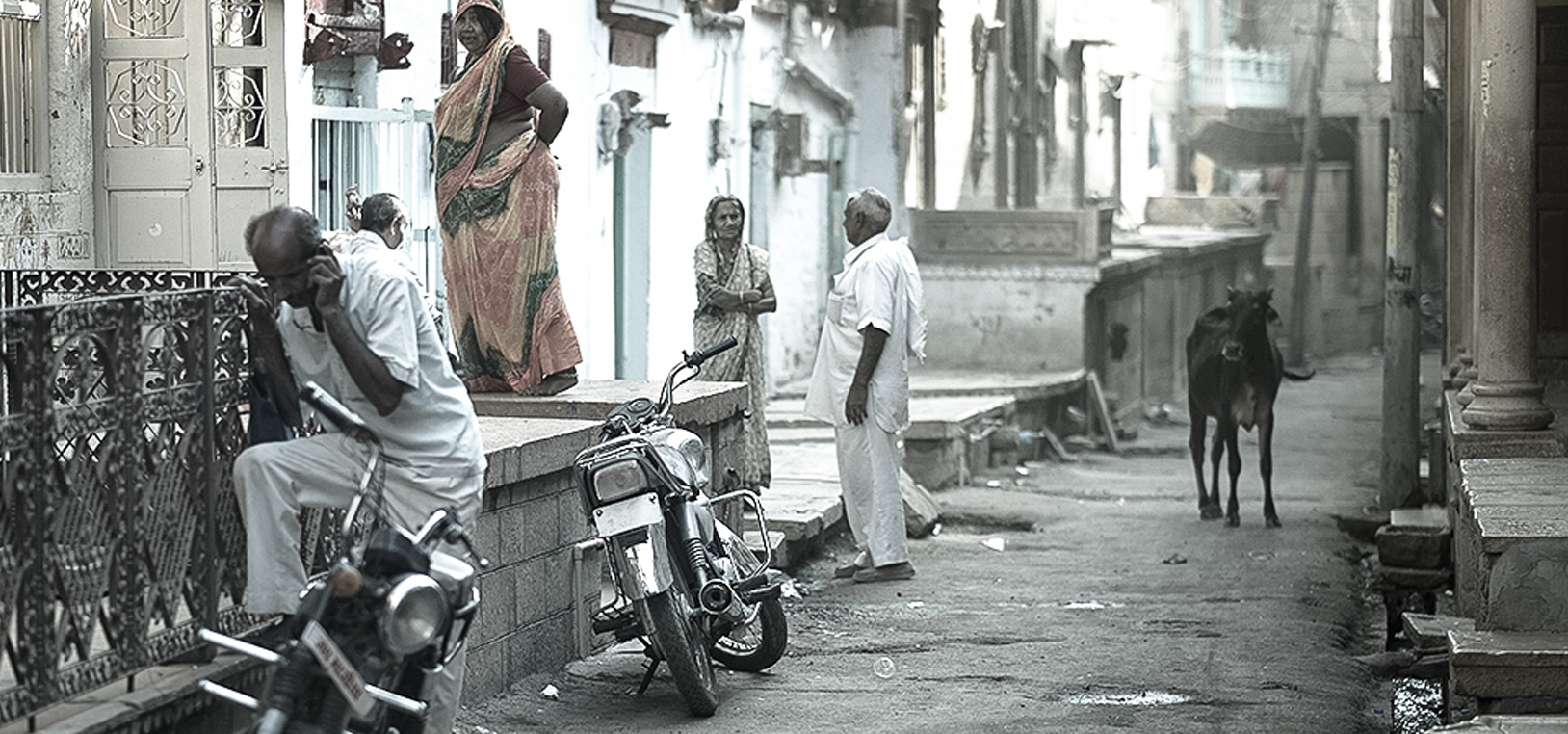
Centre for Policy Research is organising a side event at PrepCom3 on 26 July from 8.30 to 9.30 a.m. at Surabaya, Indonesia, on Small Towns and Informal Settlements: Can they Learn from Each Other? in partnership with Institut de recherche pour le développement (IRD), France.
One of India’s leading public policy think tanks (since 1976), CPR has a robust body of work on urban issues, and is committed to contributing to the deliberations of Habitat III, a mega urban event to be organised in Quito, Ecuador in October by the United National General Assembly, with a view to reinvigorating the international commitment to sustainable urbanisation.
The PrepCom3 Conference in Surabaya from 25-27 July, organised in preparation for Habitat III, will see members of CPR’s urbanisation team participate in discussions on the draft New Urban Agenda, to be deliberated and negotiated by permanent representatives and permanent observers of the UN.
The CPR-IRD event intends to urge the New Urban Agenda to embrace urbanisation across scale in a manner that pays attention to the particular challenges of informal settlements and small towns that house the majority of the world’s population. The side event brings together researchers, practitioners, think tanks, NGOs and academia. It will focus on alternative sanitation solutions, suitability of existing solutions to small towns and informal settlements, and present experiences of ecological transition, particularly in the context of climate and environmental resilience.
Venue: Crystal 3, Convention and Exhibition Hall Grand City Convex, Surabaya, Indonesia
If you are in Surabaya for Prepcom3, do not miss this exciting event!
The list of speakers at the event include:
Dr Valérie Clerc, Research fellow, IRD-Institut de recherche pour le développement, Paris, France.
Rethinking informal settlements to the light of small towns, perspectives and limits.
Mrs Mukta Naik Senior Researcher, Center for Policy Research, New Delhi, India.
Finding innovative solutions to servicing small towns and informal settlements in India
Dr Gopa Samanta, Professor, University of Burdwan, West Bengal, India.
The sustainability of water and sanitation in small cities in India: A critical approach to current practices.
Mr Marco Kusumawijaya, director, Rujak Centre for Urban Studies, Djakarta, Indonesia.
Building knowledge and capacity for ecological transition and sustainable cities/settlements in Indonesia.
Dr Khairul Islam, Country Representative, WaterAid Bangladesh.
Institutional response to fecal sludge management: Learning from small towns.
Dr Shanawez Hossain, Research Fellow, Head of Urban, Environment and Climate Change Cluster, BRAC Institute of Governance and Development, BRAC University, Dhaka, Bangladesh.
Learning from South Asia.