- Home
- About Us
- Research
- Research Areas
- Agriculture
- Air Pollution
- Climate Change
- Economy
- Education
- Environmental Law & Justice
- Energy & Electricity
- Federalism
- Governance, Accountability & Public Finance
- Health & Nutrition
- Indian Politics
- International Relations & Security
- Jobs
- Land Rights
- Sanitation
- Social Justice
- State Capacity
- Technology
- Urbanisation
- Water
- Miscellaneous
- Research Initiatives
- Research Areas
- Publications
- People
- Events
Highlight>

India and the Imran Khan-led Pakistan
Brahma Chellaney, Shyam Saran, G Parthasarathy
August 10, 2018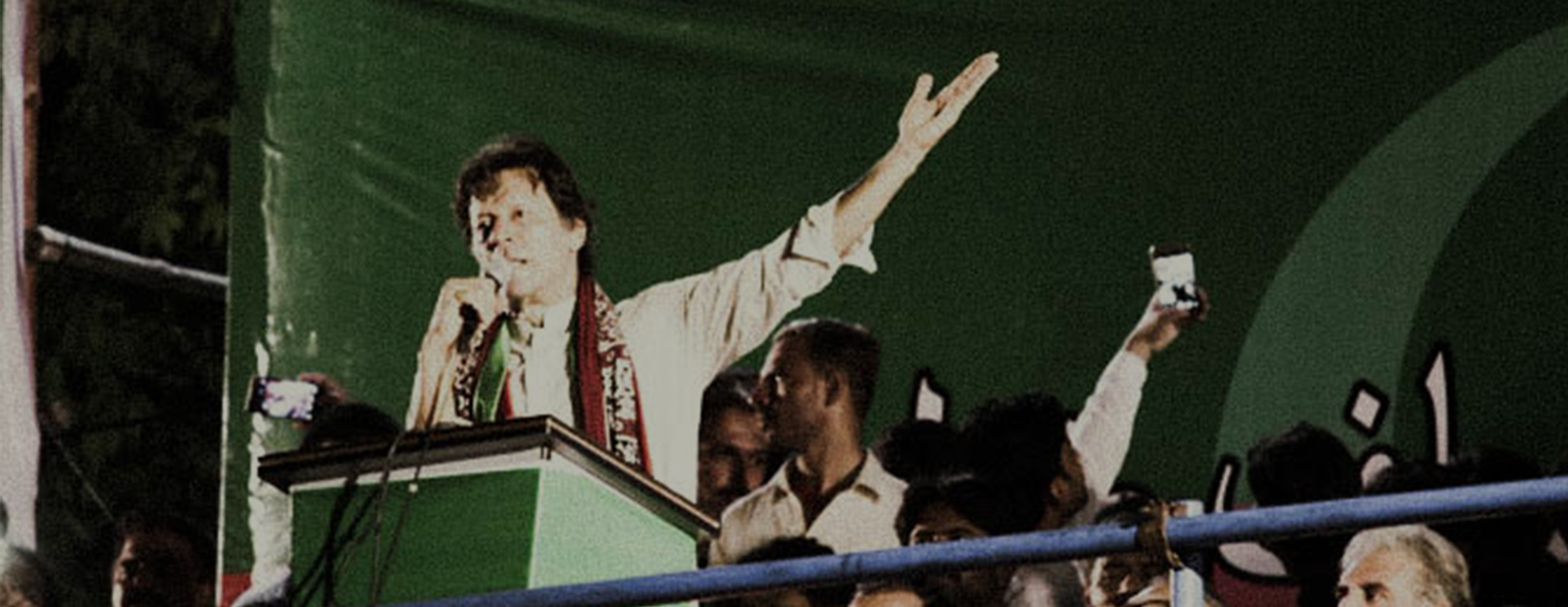
As former cricketer and leader of ‘Pakistan Tehreek-e-Insaf’ (PTI), Imran Khan is elected the next Prime Minister of the country, it becomes important for India to ascertain the trajectory it is going to follow with respect to its neighbour. While the election was marred by allegations of rigging, military interference and violence, it is clear that Pakistan’s strategic relationship and foreign policy towards India will be impacted, especially when important issues like terrorism and Kashmir are on the table. In this curated media commentary below, CPR faculty analyse this important development across the border.
G Parthasarathy writes in ‘The Tribune’ about the involvement of the army in the elections of Pakistan, highlighting how it has backed the PTI, and undermined democratic processes and freedom by gagging the media and targeting those who go against its wishes. He further reiterates this in ‘The Economic Times’, detailing how the newly elected Prime Minister, who is often referred to as ‘Taliban Khan’, faces the challenge of acting against terrorism, given Pakistan’s dwindling foreign exchange reserves and the dire need of an IMF (International Monetary Fund) bailout. In ‘PrimeTimes.IN’, Parthasarathy underscores the role of the army in Nawaz Sharif’s ouster and arrest and the general elections of 2018 and its involvement in Pakistan’s policy towards countries like China, India, Afghanistan, and the US, among others. In ‘The New India Express’, he warns that ‘He (Imran Khan) will remain in power as long as he remembers that the real keys to power are not with him in Islamabad, but in the Army’s GHQ (General Headquarters) in Rawalpindi.’
Brahma Chellaney writes in the ‘Hindustan Times’ about how India should deal with the ‘Mecca of terrorism’ Pakistan has become. While ‘India’s policy pendulum on Pakistan actually swings from one extreme to the other — from vowing a decisive fight to making schmaltzy overtures’, Chellaney establishes that ‘after this contrived election, Pakistan seriously risks slipping deeper into a jihadist dungeon’.
Shyam Saran appeared on an episode of Wide Angle on ‘The Wire’ where he analysed the result of the Pakistan election and the repercussions it has on India, exploring whether this serves as an opportunity to resume structured dialogue with the country, given that Khan has called for increase in trade between the two neighbours.