- Home
- About Us
- Research
- Research Areas
- Agriculture
- Air Pollution
- Climate Change
- Economy
- Education
- Environmental Law & Justice
- Energy & Electricity
- Federalism
- Governance, Accountability & Public Finance
- Health & Nutrition
- Indian Politics
- International Relations & Security
- Jobs
- Land Rights
- Sanitation
- Social Justice
- State Capacity
- Technology
- Urbanisation
- Water
- Miscellaneous
- Research Initiatives
- Research Areas
- Publications
- People
- Events
Highlight>

The Legal Challenge to Aadhaar
July 4, 2018
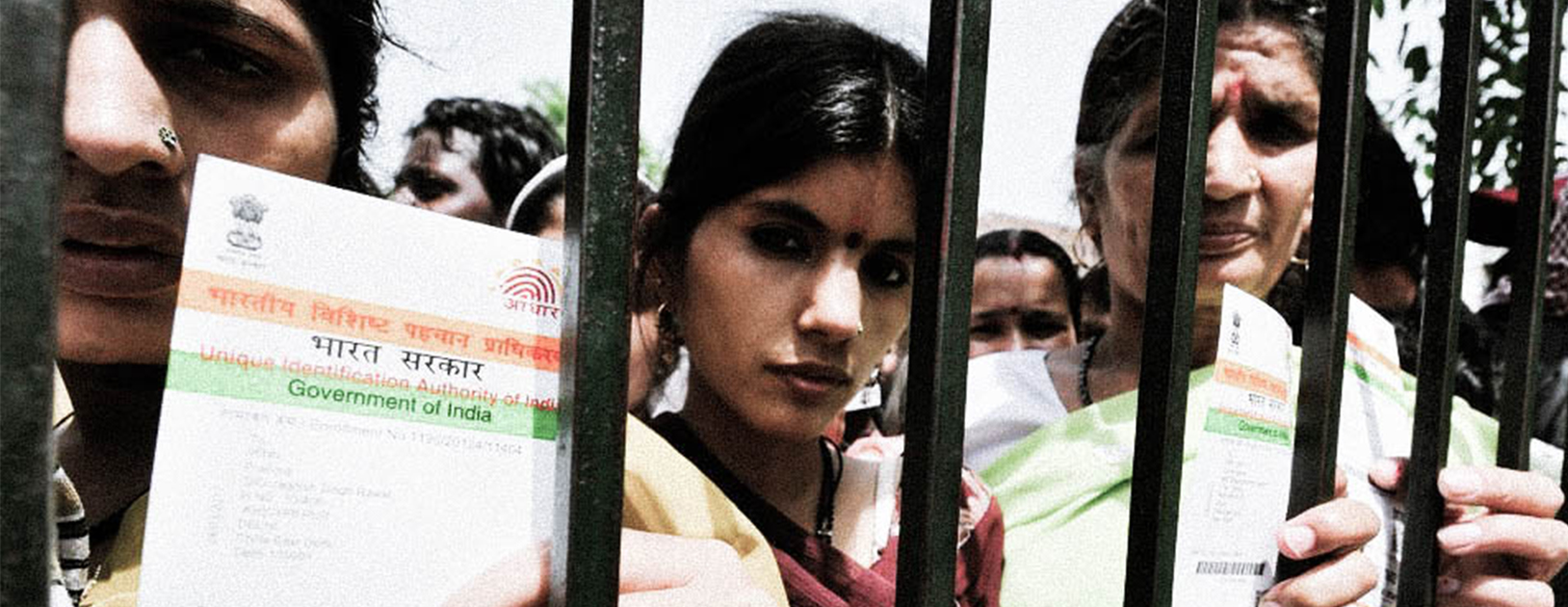
The Legal Challenge to Aadhaar
A FOUR-PART SERIES CO-AUTHORED BY CPR FELLOW ANANTH PADMANABHAN
TECHNOLOGY RIGHTS BUREAUCRACY
The following series of articles, co-authored by Ananth Padmanabhan, originally published in ThePrint, explore the legal challenge to Aadhaar. As the Supreme Court will soon deliver its verdict on the Aadhaar case, it is important to explore these challenges, which can radically alter the relationship between the citizens and the state.
In the first piece, Legal challenges to Aadhaar: Money bill, early enrolments and exclusions, Padmanabhan explores the challenge of categorising the Aadhaar Bill, 2016, as a money bill. He questions the legality of the enrolments undertaken before 2016 prior to the passing of the Aadhaar Act. He also highlights how several citizens would be excluded from the programme, given the inadequate infrastructure available.
The second article, The Aadhaar challenge: 3 features that put constitutional rights at risk, highlights how by virtue of its characteristics, Aadhaar not only potentially violates the right to privacy, but also the constitutional right to equality.
The third piece highlights Another Aadhaar challenge Supreme Court must address: Excessive delegation. Given that the legislative policy on the management and application of Aadhaar data and current safeguards have been left to the Unique Identification Authority of India (UIDAI), with minimal guidelines, it becomes imperative to engage with the challenge of excessive delegation in terms of management and usage of the scheme.
In the final article, Only a new law that addresses concerns can save Aadhaar, Padmanabhan highlights how the Supreme Court should address all the procedural and substantive issues that currently plague the biometric architecture of Aadhaar.