



India’s engagement in Glasgow, while storied and multi-faceted, also exposed faultlines in Indian climate politics. The faultlines in framing, policy, institutions, and diplomacy need to be addressed cogently if the country is to successfully negotiate the many transitions ahead.
Archives: Working Papers
Lessons from the Covid Care Centers in West Bengal
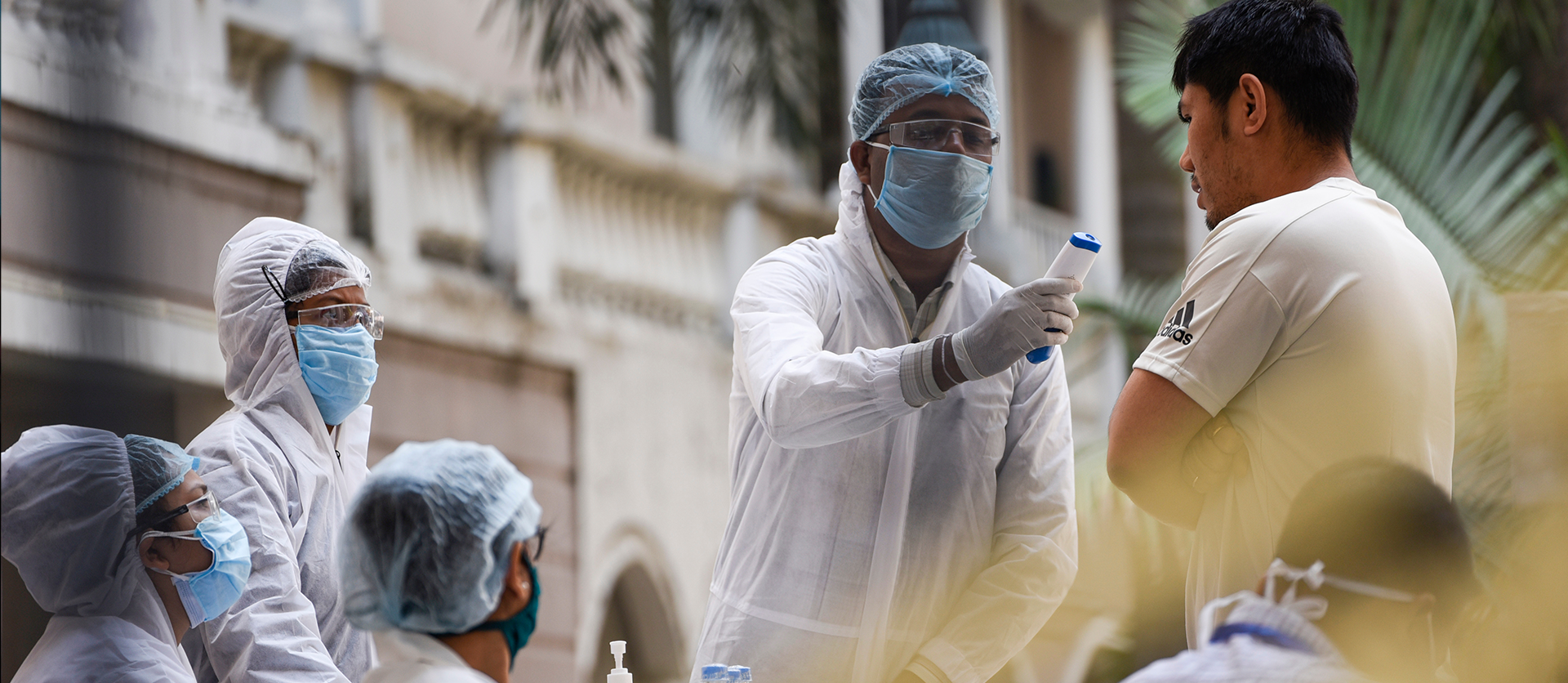
With the continuing emergence of Covid-19 variants, there is underlying concern in all countries, including India, that another surge will occur in the coming months. In case of a surge like that experienced with the Delta variant, a strategy that deserves further attention for the provision of care in rural areas is the use of off-hospital sites for patients who are not severely ill. We discuss one such effort from the state of West Bengal, the lessons from which may be relevant for the management of surge cases for generalized pandemic planning.
In March 2021, India experienced a large surge in Covid cases and the spike in patients led to a shortage of hospital beds and oxygen cylinders around the country. Following a notification by the Ministry of Health and Family Welfare that allowed organizations to set up care centers for the treatment of Covid-19 patients outside the hospital setting, the Liver Foundation and the Covid Care Network established eight Covid Care Centers in rural West Bengal. These centers were operational between May 2021 and September 2021, which coincided with the post-peak phase of the second Covid-19 wave in India. This report describes the project, summarizes the performance of the centers, and discusses the challenges faced during the project. We conclude that temporary facilities like the Covid Care Centers can be a viable option to provide urgent care during health emergencies.
Work from Home – How Good is it for the Environment?
The COVID-19 pandemic led to a large-scale global experiment on work from home (WFH). WFH is expected to continue, albeit at a smaller scale, in the post-pandemic world. WFH is commonly considered to be an energy saving measure that can help reduce office travel related energy demand and energy use in offices. This article presents a framework to analyze the various direct and indirect energy use changes that WFH can potentially induce. We discuss the different long-term structural and behavioral changes from WFH, which will ultimately define energy consumption patterns. We conclude the energy savings and the related environmental impacts are ambiguous. An illustrative analysis has been performed to quantify the direct air quality impacts of work from home adoption in the Delhi region. The results show modest reductions in the levels of PM2.5 emissions, and point to the underlying uncertainties that have the potential to highly amplify or diminish the environmental benefits. The article highlights the need for in-depth multi-sectoral study of the various WFH related energy use changes over both the short- and the long-term. Such an assessment will be key to designing effective policy measures to support work from home as an environmentally beneficial practice.
Working Paper Series: Debates on Administrative Reform in India
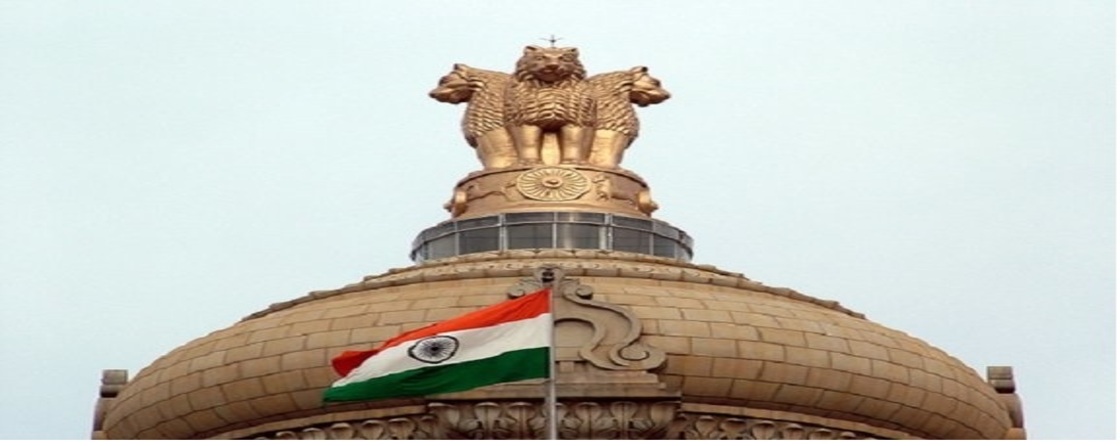
Administrative reforms of the civil services have seen renewed focus in the past few years with the announcement of initiatives such as Mission Karmayogi, changes to the foundation course for trainee officers of the All India Services, and efforts to induct lateral entrants into the bureaucracy. At their core, these reform initiatives all aim to strengthen India’s public service architecture through the enhancement of knowledge and skills, improvement of human resources management, and the institutionalisation of new norms on accountability, performance, and public service. But even with good intentions, reforms at this scale can be slow and are often met by strong resistance from the system itself. This is especially true for a large public bureaucracy that has been locked-in to particular ways of functioning for decades.
To understand the nature of this incremental progress and to chart a way forward, it is crucial to first uncover not only what the reforms intend to do, but the principles and debates behind each idea. These debates help explain the core tensions at play and reveal why certain seemingly simple fixes have been so difficult to implement. Starting with the First Administrative Reforms Commission in 1966, this working paper series developed by the State Capacity Initiative at CPR, aims to bring to the fore and generate a public discourse on the nuances of reform thinking. Our analysis of India’s rich discourse on administrative reform aims to explain the contexts within which reform thinking was situated, and what problems reform measures were aiming to solve. What underlying assumptions and tradeoffs explain the preference for some reform ideas over others? What were the global influences on reform thinking in India? And which crucial aspects of change does our reform discourse not account for?
Among the number of important topics, we initially focus on five themes given their relevance to the current reform discourse: 1. Examinations and Recruitment; 2. Training and Capacity Building; 3. Performance Management; 4. Expertise; and 5. Transfers. Each working paper begins with a brief history of each theme, then presents a timeline of key commissions, reports and events, followed by a detailed summary of key debates. The working papers draw largely on the reports of committees constituted by the Union government at various points of time and are therefore more focused on reform conversations about the higher civil services, and particularly the IAS. Going forward we plan on developing similar work on State civil service reform and other important themes such as diversity in the civil services.
Working Papers:
The Data Story: Uttar Pradesh Elections 2022 – Phase 1
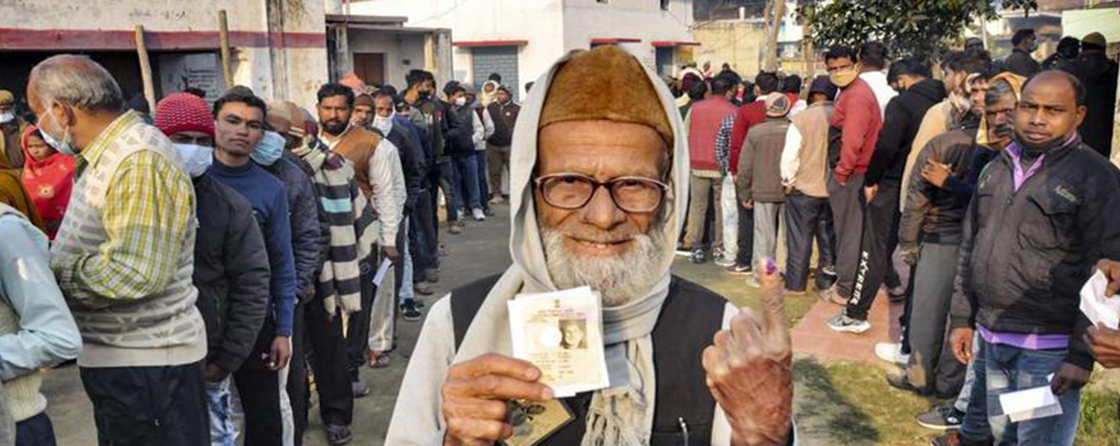
In the first phase of the Uttar Pradesh elections of 2022, 58 assembly constituencies (ACs) will go to the polls. Polling will take place on 10 February, 2022. In this note, we first analyze and provide social context for the historical electoral trends across these 58 assembly constituencies. Second, in collaboration with Datalok, we provide a detailed analysis of polling booths from the 2017 state election. We show how the consolidation among Hindu voters in the aftermath of the 2013 Muzaffarnagar riots drastically shifted electoral outcomes in the region, and we describe how current politics may affect electoral outcomes in the 2022 election.
Preliminary Observations on Union Budget 2022-23: Focus on energy, environment and climate change
The Union Budget of 2022-23 promises to take issues of sustainability and climate change seriously. And indeed, its framing on these issues is promising and forward looking. For example, it promises a low-carbon development strategy, tied to job creation, and sees the climate change agenda as an opportunity. The speech uses the term ‘energy transition’ explicitly, and also suggests that we ‘re-imagine’ our cities as centres of sustainable living. Moreover, green energy and clean mobility systems are featured as ‘sunrise opportunities’. This language, which appears throughout the speech rather than, as in the past, being shoehorned into a section on sustainability or climate change, promises an approach that takes seriously the objective of more thoroughly mainstreaming and integrating sustainability into India’s economic and social future.
A look below the hood of the budget, however, presents, in practice, a far more mixed picture.
Submission to the Commission for Air Quality Management in NCR and Adjoining Areas (CAQM)
The setting up of the Commission for Air Quality Management (CAQM) represents a significant milestone for air quality management in India. The Commission’s ability to perform its functions effectively and facilitate measures that will improve air quality in the NCR and adjoining areas for the long term will likely be impacted by several political, economic, technical, and social factors. In such a scenario, it is essential that the Commission enjoys sustained public trust as being non- partisan as well as a technically sound and socially sensitive body. The CAQM’s mandate is a statutory expression of the fundamental right of Indians to breathe air that is not harmful to their health. Its functioning should therefore reflect an inclusive and participative approach that allows citizens to claim and protect their right and prevent its encroachment when possible.
At the Initiative on Climate, Energy and Environment (ICEE) at the Centre for Policy Research (CPR), we have been closely studying the functioning of various environmental regulators, and for the past four years have been working specifically in the area of air quality regulation and governance. Based on our research, we have identified five broad themes for the Commission to consider as it implements its statutory mandate: taking a holistic, long-term regional approach; tracking progress of NCAP implementation; ensuring transparency through proactive disclosure and timely reporting; developing enforcement protocols and grievance redressal mechanisms; and encouraging informed public consultation. We also suggest specific action points as illustrations under each of these themes.
Water and Federalism: Working with States for Water Security

India’s poor water security indicators are partly a result of the poor translation of federal spirit in governing its water resources. The limited scholarship on the subject recognizes the vacuum in federal water governance and the weak articulation of Centre’s role to work with states in pursuing India’s long-term development and security goals. Besides, coherent federal responses are critical to address the new governance challenges and emerging risks such as those linked to climate change, floods, dam safety, etc.
Yet the national discourse on water federalism is dominated by interstate river water disputes. The study breaks new grounds by going beyond the narrow frame to engage comprehensively with the idea of water federalism in India. It explores the range of policy, institutional, legal and financial instruments for improved water governance. Conceptualised as the Centre’s leverage, the study investigates into these instruments to explore opportunities for the Centre to work with states for improved outcomes. Using mixed methods of qualitative and quantitative approaches, the study looks at the transforming Indian federal state from two contrasting viewpoints: the shifting stakes of the Centre and states in water resources development; and the converging forces of development goals and security concerns. The analysis is supported by case studies of Maharashtra, Punjab and Karnataka states revealing the diverse territorial imaginations and priorities of water resources development and, their implications for national water security. It also examines the experiences of central schemes through intergovernmental fiscal transfers and federal water governance practices internationally to incentivize states’ progressive pathways in water resources management. Identifying federal consensus-building about the Centre’s role and autonomous institutional architecture for data as the two foundational pillars, the study makes concrete recommendations to improve federal governance for long-term development and water security.
Strengthening India’s Ambient Air Quality Standard-Setting Process
The National Ambient Air Quality Standards (NAAQS) provide the basis for assessing air quality nationally, determining pollution control priorities, and defining what we consider to be acceptable air quality to protect public health. They are framed and issued by the Central Pollution Control Board (CPCB) under the Air Act (1981). In August 2021, the CPCB announced that a revision of the NAAQS would be undertaken over the next year under the leadership of faculty from IIT Kanpur, with representatives from other institutions. The wide-ranging remit for this committee includes revisiting the existing standards for criteria pollutants, potentially expanding the base of pollutants being measured, determining the effects of air pollution on human health and vegetation, designing, and setting up of monitoring networks, and reviewing the air quality index. These revisions to the NAAQS will serve to define the discussion around air pollution for the next decade in India. Making the standards more ambitious will be based on our understanding of risk associated with exposure and how that has evolved over time. It will have implications for how that risk is communicated by the government to citizens through the Air Quality Index (AQI) and will provide a basis for regulating certain point sources. More ambitious standards can also provide a useful benchmark against which to measure the progress of our initiatives to improve air quality.
Given the import of these standards as a means of protecting public health, engaging in risk communication, and tracking progress against our air quality goals, it is essential that the process followed by the NAAQS revision committee is clearly laid out and guided by a series of fundamental principles. These include ensuring their relevance by committing to predefined periodic reviews, basing policy decisions on a solid foundation of science by engaging a broad range of experts, centering health in air quality policy making, and building trust with civil society and other stakeholders. Reinforcing institutional processes are a long-term challenge, and we recognize that significantly altering the parameters of work of a committee whose work is already underway may not be possible. The principles and actions laid out in this framing note can form the basis for future work in this area by the CPCB. In our recommendations, we also outline several immediate actions that can be taken by the CPCB and the NAAQS committee as they proceed with the revision of the NAAQS.
SUGGESTED CITATION:
Krishna, B. 2021 “Strengthening India’s ambient air quality standard-setting process”. Framing Note, Initiative for Climate, Energy, and Environment. New Delhi: Centre for Policy Research. December 2021
Airing Differences? Reading the Political Narrative on Air Quality Management in India

Air pollution exposure is a year-round, nation-wide public health crisis in India. This paper presents a careful reading of nearly eleven hours of discussions on air pollution that took place in the upper and lower Houses of Parliament in November 2019. The discussions provide unique insight into the emerging political narrative around air quality governance in India. The parliamentarians constructed an overly peak-oriented and Delhi-centric view of the problem. Contrary to the long-held scepticism of the environment ministry, parliamentarians across political parties cited global evidence on the adverse health impacts of air pollution exposure, especially on children. In addition, they drew on themes like intergenerational responsibility, equity, and Indian cultural heritage while signaling the need to act with urgency.
As the discussions were dominated by crop residue burning, the Delhi government received significant criticism for blaming farmers, and parliamentarians across the board expressed solidarity with farmers as they proposed various alternative interventions to penalties. Legislators highlighted a variety of institutional, legal, and financial opportunities to strengthen Indian air quality governance, but demonstrated relatively limited engagement with the nuances of sectoral mitigation measures. Reflecting on an issue of growing political salience in India, this paper also offers insight into significant developments and gaps in the political discourse on air pollution in the two years since these discussions, and into the present day.